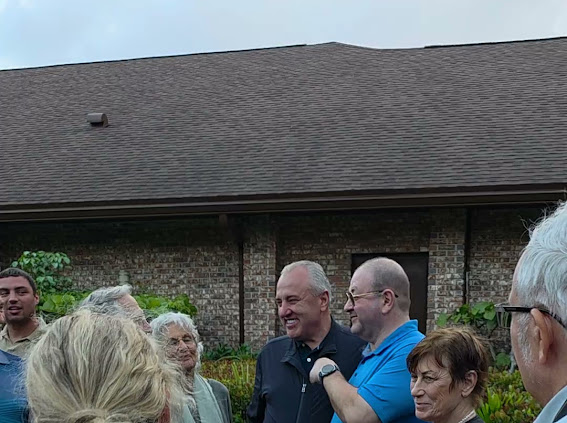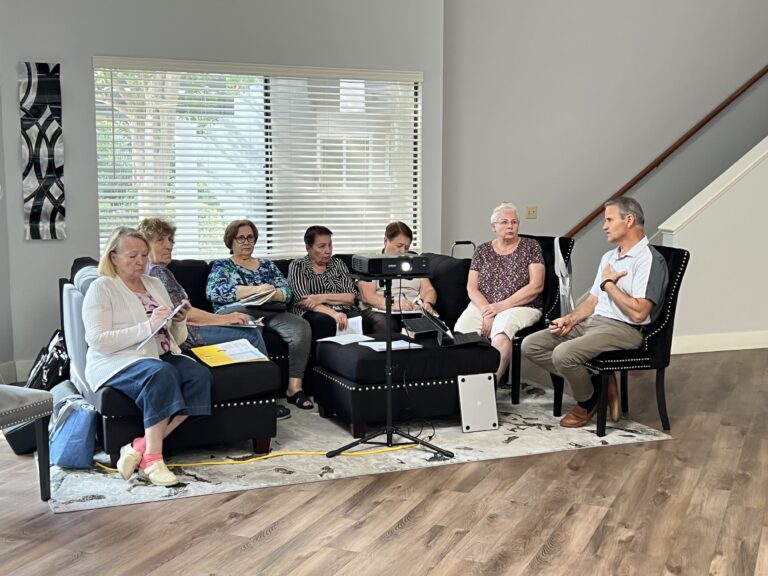
On a calm early autumn day, as sunlight filtered softly through the windows of a local church in San Francisco, a small group of leaders gathered around a shared vision that carried both historical weight and future promise. Conversations unfolded with purpose and prayer, marked by a sense that something new, and long overdue, was beginning. On that autumn day, September 6, 2025, the first, historic planning meeting to establish Jewish ministry in San Francisco took place. It was organized and led by Pastor Vladimir Yaroslavsky and his local San Francisco congregation. This meeting laid the strategic and spiritual foundation for what participants believe will become a lasting work of bridge-building and mission.
The meeting brought together individuals whose life experience and ministry backgrounds had uniquely positioned them for this moment. Victor Vyatokha, the leader of the congregation had previously pastored a Jewish community in Kyiv for approximately 15 years, gaining firsthand insight into Jewish-Christian dialogue and outreach. Pastor Yaroslavsky convened the meeting and guided its direction.
What united the participants was more than administrative planning. It was a shared burden for meaningful, respectful, and informed ministry to the Jewish population of San Francisco and the broader Bay Area. This region is home to one of the largest and most diverse Jewish communities in the United States. According to the demographic research reviewed during the meeting, San Francisco alone is home to approximately 80,000 Jewish residents, which is nearly 10 percent of the city’s population. There are more than 350,000 Jewish people across the greater Bay Area. A significant portion of the community includes both English-speaking and Russian-speaking Jews, and this presents a unique opportunity for culturally and linguistically sensitive ministry.
Throughout the meeting, participants shared their personal experiences from years of service in Jewish contexts, ranging from congregational leadership in Eastern Europe to missionary engagement in Israel. These reflections naturally shaped discussions on strategy, vision, and values. Rather than pursuing quick results or superficial engagement, the group emphasized the importance of trust, relationship-building, and respect for Jewish identity, tradition, and history.
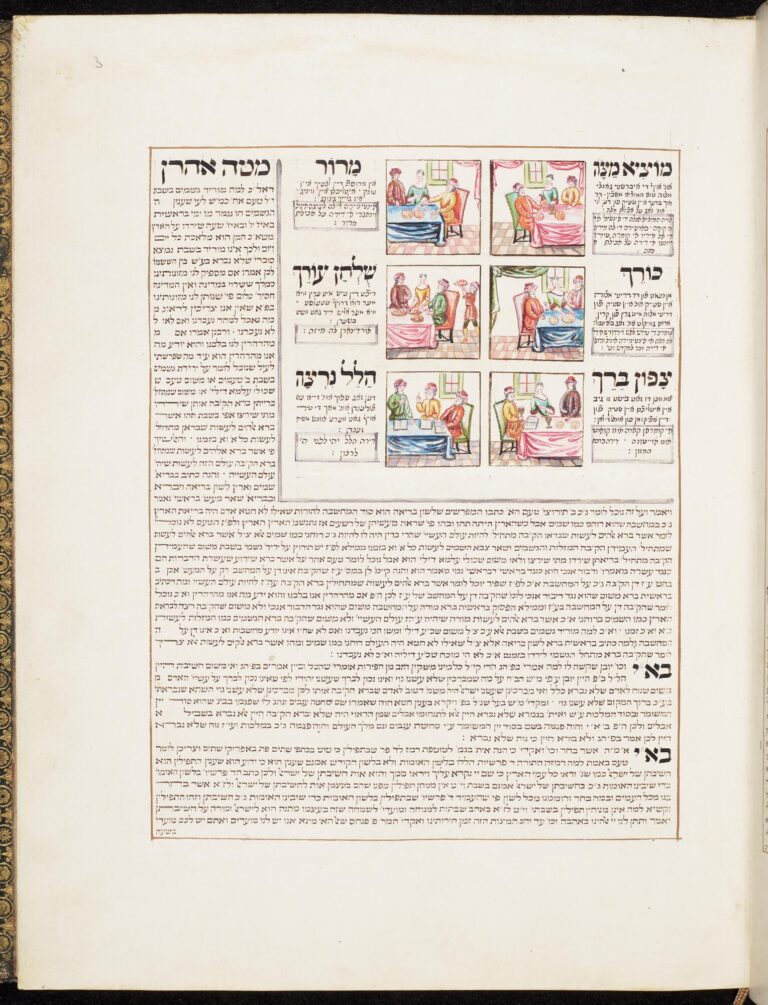
Central to the discussion was a long-term vision for Jewish ministry, emerging from the local church itself. This vision integrates education, cultural engagement, and consistent community presence. The group explored how outreach could be thoughtfully aligned with the Jewish calendar in two ways: 1) through events connected to Passover, Rosh Hashanah, Yom Kippur, Hanukkah, and other significant holidays; and 2) by creating space for ongoing Torah study, dialogue, and service-oriented initiatives. Participants agreed that this approach would allow the ministry to grow organically, within the rhythms of Jewish life rather than being imposed from the outside.
Victor Vyatokha shared insights from his years of pastoring a Jewish community in Kyiv, and Pastor Vyatokha’s insights emphasized the importance of patience and authenticity. Jewish ministry, he noted, is not built through programs alone but through consistent presence, listening, and a willingness to walk alongside people in their questions and spiritual journeys. His perspective resonated deeply with the group and helped to ground the conversation in lived experience rather than theory.
San Francisco is not merely as a strategic location, but as a city where diversity, history, and spiritual searching converge. This creates both unique challenges and remarkable opportunities for a ministry rooted in understanding and compassion.
The meeting highlighted the importance of presenting faith in a way that honors the Jewish story and avoids theological shortcuts. He emphasized that meaningful dialogue begins when Christians first understand the Jewish roots of Scripture and approach ministry with humility rather than presumption.
As the meeting drew to a close, there was a shared sense that this gathering marked more than the exchange of ideas. Under the leadership of Pastor Yaroslavsky and with the support of his congregation, the meeting outcomes represented the beginning of a collaborative journey, seeking to serve the Jewish community of San Francisco with integrity, clarity, and love, while also remaining faithful to Scripture and mission.
Though modest in size, the meeting carried historic significance. It was the first intentional step toward organizing Jewish ministry in San Francisco, and it was shaped by experience, prayer, and vision, giving a clear direction for the future. Participants left encouraged, united, and mindful that lasting ministry is built not in haste, but through faithfulness, wisdom, and God’s guidance. Reflecting on the gathering, Pastor Yaroslavsky later summarized the spirit of the day simply: the meeting was not about launching a program, but about laying a foundation rooted in respect, shared purpose, and trust in God’s leading.